Full Service Law Firm in Mt. Laurel Township, NJ | Capehart Scatchard

Articles

Articles › Clinton Vetoes Bankruptcy Reform Bill

Clinton Vetoes Bankruptcy Reform Bill

April 25, 2012
By Alan P. Fox, Esq.

As expected, President Clinton vetoed the Bankruptcy Reform Act of 2000 (H.R. 2415) on December 19th. The American Bankruptcy Institute reported the President asserted that the bill was too hard on ordinary debtors who fall on hard times, while permitting wealthy debtors a loophole through the homestead exemption.

The President’s veto message stated, “I firmly believe that Americans would benefit from bankruptcy reform legislation that would stem abuse of the bankruptcy system by debtors and creditors alike. Unfortunately, this bill is not balanced reform and it omits critical language to require accountability and responsibility from those who unlawfully bar access to legal health services.”

President Clinton could not support the final bill that removed a hard cap on homestead exemptions, which he said would allow “debtors who own lavish homes to shield their mansions” while moderate income debtors would have to live frugally under rigid repayment plans. President Clinton also cited the bill’s removal of language to make nondischargeable those debts arising from abortion clinic violence claims. The American Bankruptcy Institute noted the message made no mention of opposition to the concept of a means test, or even the bill’s specifics to implement the test. Clinton applauded the bill’s move to “improve credit card disclosures – although more can and should be done-while imposing limits on misleading creditor practices that encourage debtors to reaffirm dischargeable debts.” However, President Clinton said these beneficial provisions are outweighed by the bill’s flaws and omissions.

The 106th Congress made a bipartisan effort since 17 Senate Democrats voted for the bill on final passage and nearly as many House Democrats voted for the bill as were opposed. The American Bankruptcy Institute reported the new Chairman of the Senate subcommittee with jurisdiction over bankruptcy, Sen. Jeff Sessions (R-Ala.) says bankruptcy will be an early priority of the new Congress. However, he may find it more difficult in a Senate that is equally divided and a subcommittee where the top Democrat may be opposed to the concept of means testing Chapter 7 relief.

This Alert was written by Alan P. Fox, Esq., Shareholder in Capehart Scatchard’s Commercial Group. Should you have questions or like more information, please contact Mr. Fox at 856.914.2056, by fax at 856.235.2786, or by e-mail at afox@capehart.com.

© 2000 Capehart & Scatchard, P.A.

About the Author:

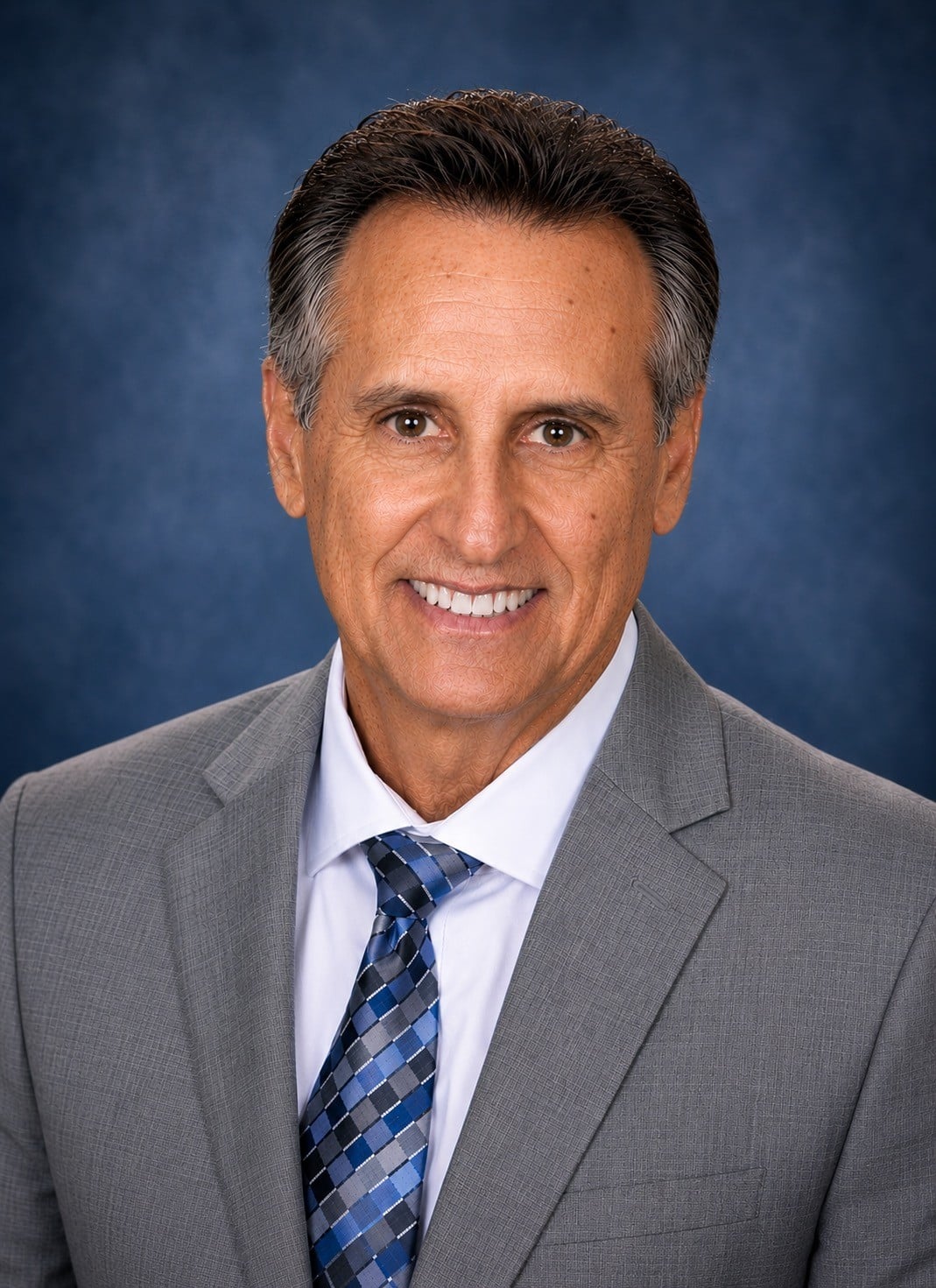
Alan P. Fox

Chair, Alternative Energy and Co-Chair, Real Estate & Land Use Practice


Mr. Fox focuses his practice on alternative energy (including wind and solar), banking, bankruptcy, creditors’ rights, workouts, commercial and transportation litigation, commercial transactions, business/corporate law, commercial and residential real estate, zoning and land use law.

Mr. Fox has developed his practice in the areas of commercial litigation, commercial transactions, bankruptcy, business law, real estate, real estate tax appeals, renewable energy law, zoning and land use law. He represents both lenders and borrowers in commercial lending. He has over 30 years of experience presenting land use applications before zoning and planning boards, including 8 years as the solicitor for the Riverside Township Land Use Board. He has litigated zoning matters at the appellate level. He successfully won a railroad condemnation case for a Class 1 railroad before the NJ Supreme Court.

His commercial real estate practice covers shopping centers, restaurants, retail, office buildings, manufacturing, warehouses and residential developments, as well as net metering and community solar energy projects. He navigates his clients through the local, county and the state regulatory permits and approvals process.

Currently, his alternative energy practice has expanded into transactions related to and obtaining zoning approvals for photovoltaic solar electric production systems in New Jersey, as well as transactional documents for solar projects including options and purchase agreements, easements, PPAs and related documents. His alternative energy practice is expanding into more growth opportunities including electric vehicle charging stations, development of the Offshore Wind industry and battery storage for alternative energy projects.

Mr. Fox’s commercial litigation experience covers a wide variety of industries, including banking, landscape, manufacturing,  construction, automotive retail, real estate development, wholesale floral and solar energy projects. He also assists creditors with collections under notes and loan agreements, security agreements, mortgage foreclosure, replevin or assignments of rents. His representation of creditors in the bankruptcy court includes negotiating cash collateral agreements, stay relief motions, defending preference actions, non-dischargeability issues, rejection/assumption of executor contract or lease issues.

Subscribe to Blog Updates

Capehart Blogs

Categories

Share