Full Service Law Firm in Mt. Laurel Township, NJ | Capehart Scatchard

Articles

Articles › Biden Administration Invokes Defense Production Act to Boost Domestic Manufacturing in Clean Energy Sectors

Biden Administration Invokes Defense Production Act to Boost Domestic Manufacturing in Clean Energy Sectors

June 24, 2022
By Alan P. Fox, Esq.

On June 6, 2022, the White House released a statement authorizing the use of the Defense Production Act (DPA) to build up domestic production of solar panels, electric transformers, heat pumps, insulation and hydrogen-related equipment.

The U.S. Department of Energy (DOE) could support those sectors through commitments to buy clean energy products from U.S. manufacturers; direct investments in facilities; and aid for clean energy installations in homes, military sites and businesses. Pending legislation (the Energy Security and Independence Act) would provide $100 billion in DPA funding for the clean energy sector.

The White House reports the expansion to domestic solar manufacturing capacity will grow the current capacity of 7.5 gigawatts by an additional 15 gigawatts, enabling 3.3 million homes to switch to clean solar energy. President Biden also urges Congress to pass tax cuts and additional investments that advance U.S. clean energy manufacturing and deployment.

Specifically, the White House is authorizing the DOE to rapidly expand U.S. manufacturing of the following five clean energy technologies:

    1. Solar panel parts including photovoltaic modules and module components;
    2. Building insulation;
    3. Heat pumps;
    4. Equipment for making and using clean energy-generated fuels, including electrolyzers, fuel cells, and related platinum group metals; and
    5. Power grid infrastructures such as transformers.
Free Stock photos by Vecteezy

About the Author:

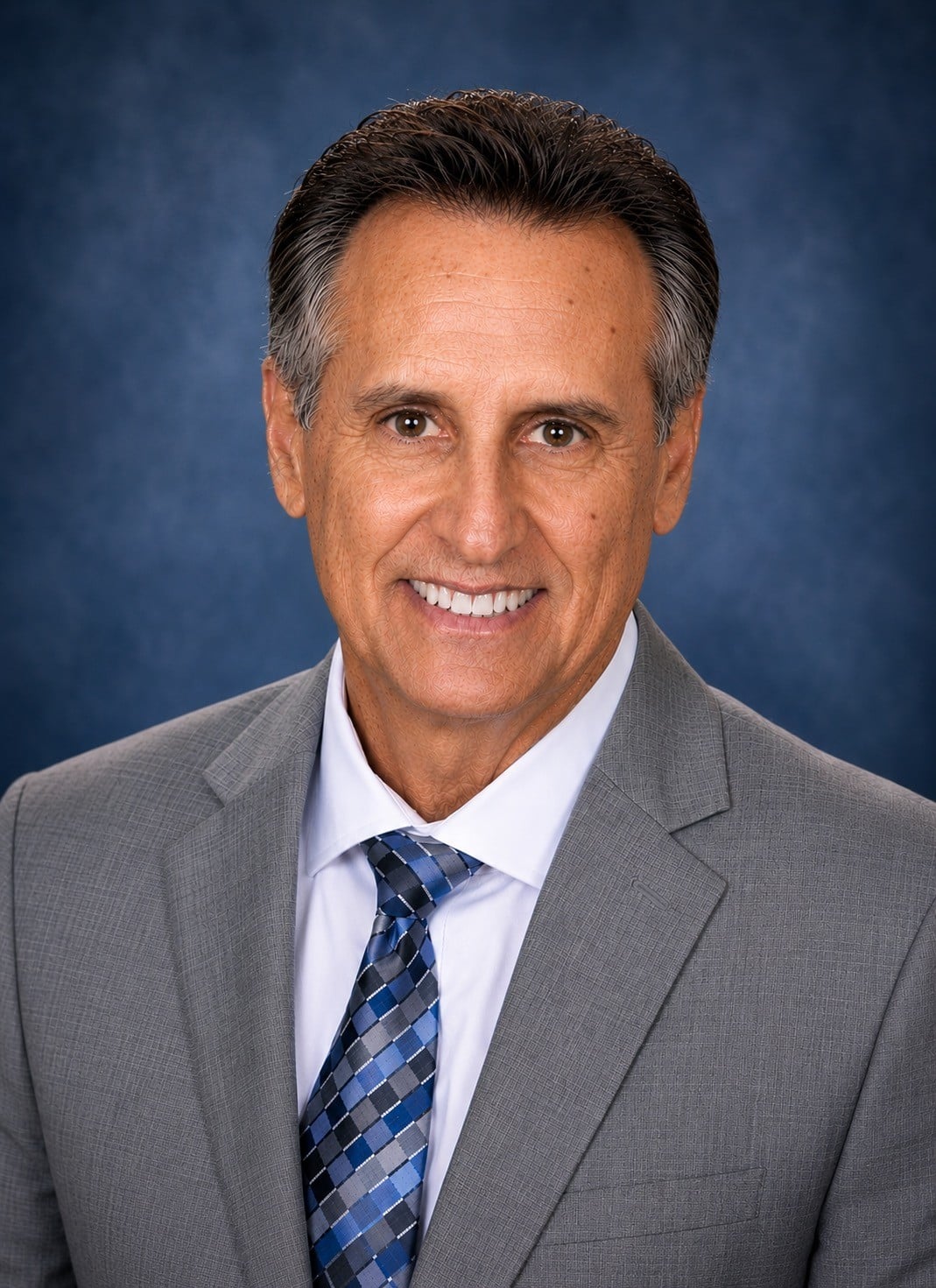
Alan P. Fox

Chair, Alternative Energy and Co-Chair, Real Estate & Land Use Practice


Mr. Fox focuses his practice on alternative energy (including wind and solar), banking, bankruptcy, creditors’ rights, workouts, commercial and transportation litigation, commercial transactions, business/corporate law, commercial and residential real estate, zoning and land use law.

Mr. Fox has developed his practice in the areas of commercial litigation, commercial transactions, bankruptcy, business law, real estate, real estate tax appeals, renewable energy law, zoning and land use law. He represents both lenders and borrowers in commercial lending. He has over 30 years of experience presenting land use applications before zoning and planning boards, including 8 years as the solicitor for the Riverside Township Land Use Board. He has litigated zoning matters at the appellate level. He successfully won a railroad condemnation case for a Class 1 railroad before the NJ Supreme Court.

His commercial real estate practice covers shopping centers, restaurants, retail, office buildings, manufacturing, warehouses and residential developments, as well as net metering and community solar energy projects. He navigates his clients through the local, county and the state regulatory permits and approvals process.

Currently, his alternative energy practice has expanded into transactions related to and obtaining zoning approvals for photovoltaic solar electric production systems in New Jersey, as well as transactional documents for solar projects including options and purchase agreements, easements, PPAs and related documents. His alternative energy practice is expanding into more growth opportunities including electric vehicle charging stations, development of the Offshore Wind industry and battery storage for alternative energy projects.

Mr. Fox’s commercial litigation experience covers a wide variety of industries, including banking, landscape, manufacturing,  construction, automotive retail, real estate development, wholesale floral and solar energy projects. He also assists creditors with collections under notes and loan agreements, security agreements, mortgage foreclosure, replevin or assignments of rents. His representation of creditors in the bankruptcy court includes negotiating cash collateral agreements, stay relief motions, defending preference actions, non-dischargeability issues, rejection/assumption of executor contract or lease issues.

Subscribe to Blog Updates

Capehart Blogs

Categories

Share