Full Service Law Firm in Mt. Laurel Township, NJ | Capehart Scatchard

Articles

Articles › NJ Adds Funding to GREEN ACRES and BLUE ACRES Programs

NJ Adds Funding to GREEN ACRES and BLUE ACRES Programs

January 6, 2026
By Alan P. Fox, Esq.

The NJ Senate Republicans website reports “Acting Governor Tahesha Way signed legislation sponsored by Senator Parker Space (R-24) and Assemblyman Michael Inganamort (R-24) appropriating $44.4 million… to the New Jersey Department of Environmental Protection for the State acquisition of Green Acres open space lands and Blue Acres lands.” (A6275/S4921).

The NJDEP reports, “This funding ensures that lands vital for recreation and conservation are preserved for future generations, while also strengthening programs like Blue Acres that help monitor, manage, and reduce flooding risks in our most vulnerable areas.”

“The Green Acres Program was created in 1961 to meet New Jersey’s growing recreation and conservation needs. The Green Acres Program has directly protected more than 725,000 acres of open space and parkland and has funded 1,256 local and nonprofit park development and stewardship projects in communities around the state.”  Over the years, NJ has committed $3.3 Billion in Green Acres funding.

“The New Jersey Trails Program was established with the passage of the New Jersey Trails System Act in 1974, laying the groundwork for a network of trails that provide for outdoor recreation and active transportation, and which connect people with their community, with their favorite places, and with each other.” The act charged the Department of Environmental Protection with the task of establishing a trails plan. “The first Trails Plan was created in 1982, updated in 1996 and again in 2009.” The New Jersey Trails Program develops, maintains and restores trails and trail-related facilities, funded under the  federal Recreational Trails Program (RTP) grants established under the National Recreational Trails Fund Act in 1993. 

If you require assistance related to NJ’s Green Acres and Blue Acres programs or The New Jersey Trails Program, please contact Alan P. Fox, Esquire.

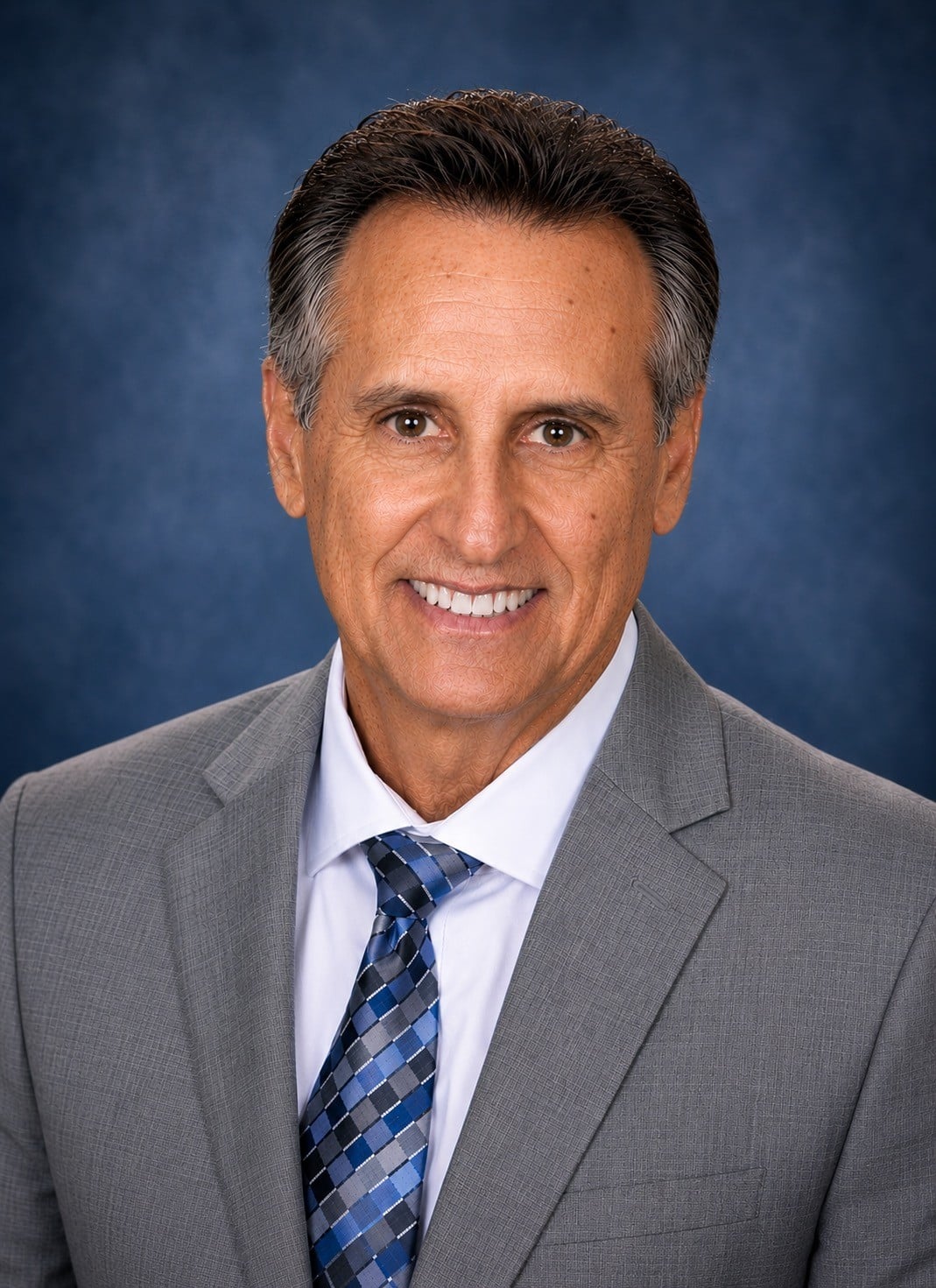
About the Author:

Alan P. Fox

Chair, Alternative Energy and Co-Chair, Real Estate & Land Use Practice


Mr. Fox focuses his practice on alternative energy (including wind and solar), banking, bankruptcy, creditors’ rights, workouts, commercial and transportation litigation, commercial transactions, business/corporate law, commercial and residential real estate, zoning and land use law.

Mr. Fox has developed his practice in the areas of commercial litigation, commercial transactions, bankruptcy, business law, real estate, real estate tax appeals, renewable energy law, zoning and land use law. He represents both lenders and borrowers in commercial lending. He has over 30 years of experience presenting land use applications before zoning and planning boards, including 8 years as the solicitor for the Riverside Township Land Use Board. He has litigated zoning matters at the appellate level. He successfully won a railroad condemnation case for a Class 1 railroad before the NJ Supreme Court.

His commercial real estate practice covers shopping centers, restaurants, retail, office buildings, manufacturing, warehouses and residential developments, as well as net metering and community solar energy projects. He navigates his clients through the local, county and the state regulatory permits and approvals process.

Currently, his alternative energy practice has expanded into transactions related to and obtaining zoning approvals for photovoltaic solar electric production systems in New Jersey, as well as transactional documents for solar projects including options and purchase agreements, easements, PPAs and related documents. His alternative energy practice is expanding into more growth opportunities including electric vehicle charging stations, development of the Offshore Wind industry and battery storage for alternative energy projects.

Mr. Fox’s commercial litigation experience covers a wide variety of industries, including banking, landscape, manufacturing,  construction, automotive retail, real estate development, wholesale floral and solar energy projects. He also assists creditors with collections under notes and loan agreements, security agreements, mortgage foreclosure, replevin or assignments of rents. His representation of creditors in the bankruptcy court includes negotiating cash collateral agreements, stay relief motions, defending preference actions, non-dischargeability issues, rejection/assumption of executor contract or lease issues.

Subscribe to Blog Updates

Capehart Blogs

Categories

Share