Full Service Law Firm in Mt. Laurel Township, NJ | Capehart Scatchard

Articles

Articles › Owners of Real Property in Wooded Areas in New Jersey – Be Aware of Actions to Prevent Wildfire Spread Across New Jersey

Owners of Real Property in Wooded Areas in New Jersey – Be Aware of Actions to Prevent Wildfire Spread Across New Jersey

February 18, 2025
By Alan P. Fox, Esq.

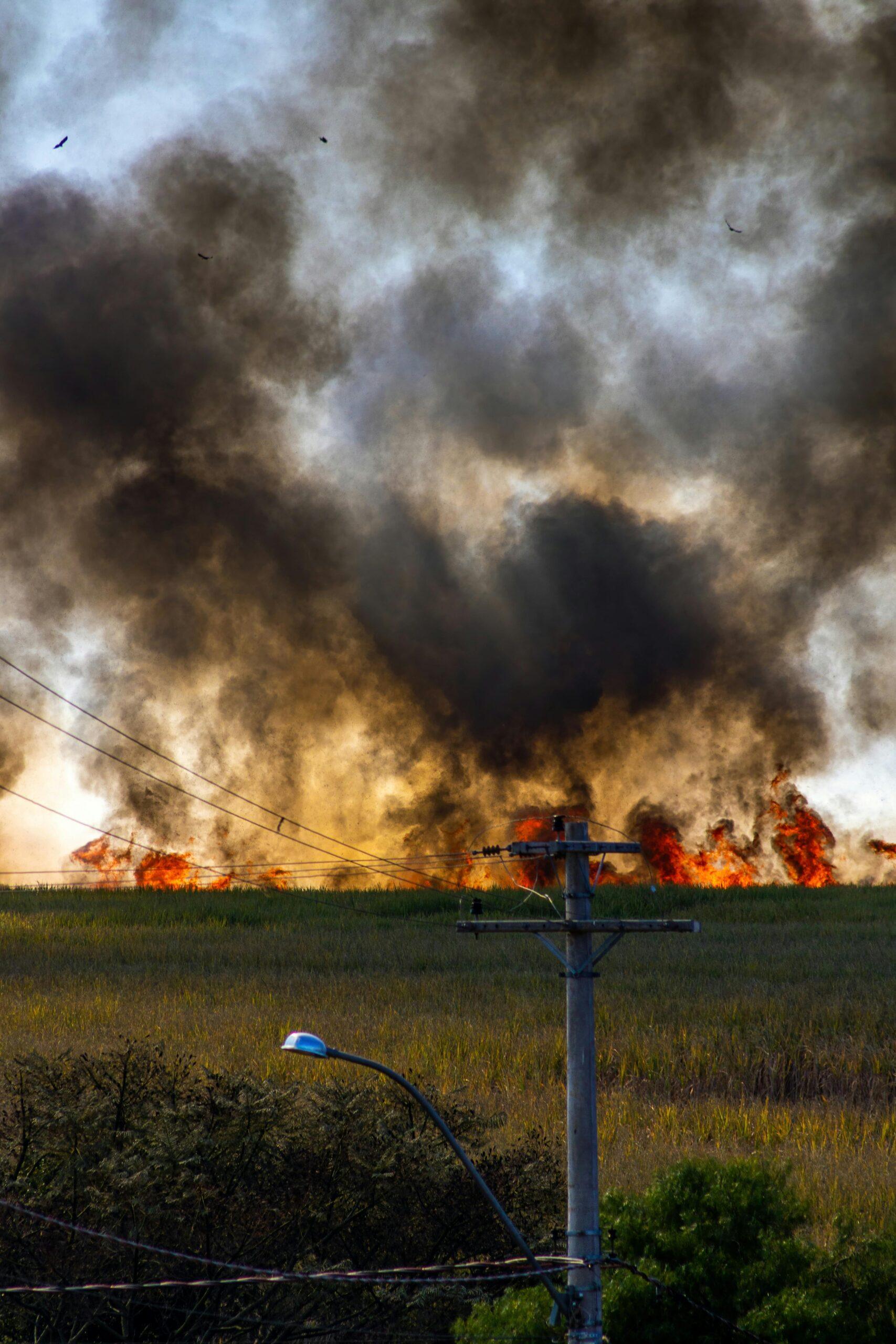
A fire spreading across a field nearing a telephone poleNew Jersey heads into the spring wildfire season amid continued dry conditions.

If you are planning to build a new home or construct a commercial or industrial development in a wooded area in New Jersey, take note that on Thursday, February 13, 2024 Governor Murphy and Department of Environmental Protection Commissioner Shawn LaTourette announced a series of actions that emphasize the importance of wildfire safety, mitigation, awareness, response, and training – known as NJ Wildfire SMART – to reduce wildfire spread as New Jersey heads into the spring wildfire season amid continued dry conditions statewide. “South Jersey is home to over 1.1 million acres of Pine Barrens, a vital part of our community, and an area that is at an increased risk for forest fires,” said Assemblywoman Andrea Katz.

NJDEP reports,Since the onset of the abnormally dry period on Sept. 1, 2024, the Forest Fire Service has responded to 884 wildfires, which collectively burned 4,945.25 acres, a substantial increase over the number of wildfires and acreage burned during the same time period for the three preceding years. Nine of these were classified as “major wildfires,” each exceeding 100 acres, and posed a threat to 273 structures combined.”

Existing owners or developers of new projects in wooded areas should consider becoming proactive to prevent the spread of wildfires in New Jersey.

The NJDEP recommends “homeowners should remove pine needles, leaves, and other debris from gutters, and smokers are reminded to properly dispose of cigarettes and smoking materials. After using a fireplace or woodburning stove, fully douse ashes with water since both can emit embers that spark fires. Dispose of fully doused ashes in a metal can or cylinder.”

“Property owners in wooded areas need to be especially aware of their environment and should take steps such as maintaining defensible barriers, or cleared areas, around structures. They should create space of at least 30 feet between homes and flammable vegetation in forested or wooded areas, and 100 feet from homes in the Pinelands region. These buffers should be free from vegetation that will burn easily, such as fallen leaves, pine needles, twigs and branches. Property owners should also make sure firetrucks can access driveways.”

If you have questions or need more information related to New Jersey’s programs for prevention of wildfires, please contact Alan Fox, Esq. at afox@capehart.com.

A fire spreading across a field nearing a telephone pole

About the Author:

Alan P. Fox

Chair, Alternative Energy and Co-Chair, Real Estate & Land Use Practice


Mr. Fox focuses his practice on alternative energy (including wind and solar), banking, bankruptcy, creditors’ rights, workouts, commercial and transportation litigation, commercial transactions, business/corporate law, commercial and residential real estate, zoning and land use law.

Mr. Fox has developed his practice in the areas of commercial litigation, commercial transactions, bankruptcy, business law, real estate, real estate tax appeals, renewable energy law, zoning and land use law. He represents both lenders and borrowers in commercial lending. He has over 30 years of experience presenting land use applications before zoning and planning boards, including 8 years as the solicitor for the Riverside Township Land Use Board. He has litigated zoning matters at the appellate level. He successfully won a railroad condemnation case for a Class 1 railroad before the NJ Supreme Court.

His commercial real estate practice covers shopping centers, restaurants, retail, office buildings, manufacturing, warehouses and residential developments, as well as net metering and community solar energy projects. He navigates his clients through the local, county and the state regulatory permits and approvals process.

Currently, his alternative energy practice has expanded into transactions related to and obtaining zoning approvals for photovoltaic solar electric production systems in New Jersey, as well as transactional documents for solar projects including options and purchase agreements, easements, PPAs and related documents. His alternative energy practice is expanding into more growth opportunities including electric vehicle charging stations, development of the Offshore Wind industry and battery storage for alternative energy projects.

Mr. Fox’s commercial litigation experience covers a wide variety of industries, including banking, landscape, manufacturing,  construction, automotive retail, real estate development, wholesale floral and solar energy projects. He also assists creditors with collections under notes and loan agreements, security agreements, mortgage foreclosure, replevin or assignments of rents. His representation of creditors in the bankruptcy court includes negotiating cash collateral agreements, stay relief motions, defending preference actions, non-dischargeability issues, rejection/assumption of executor contract or lease issues.

Subscribe to Blog Updates

Capehart Blogs

Categories

Share