Full Service Law Firm in Mt. Laurel Township, NJ | Capehart Scatchard

Articles

Articles › th Congress Reached Final Adjournment – No Action Taken On New Bankruptcy Reform Bill – Clinton Can Pocket Veto Bankruptcy Bill

th Congress Reached Final Adjournment – No Action Taken On New Bankruptcy Reform Bill – Clinton Can Pocket Veto Bankruptcy Bill

April 25, 2012
By Alan P. Fox, Esq.

The American Bankruptcy Institute reported the 106th Congress adjourned sine die Friday, closing out any hope for final enactment of the Bankruptcy Reform Bill. President Clinton now can safely pocket veto the bill.

The official end of the Congress means that the bankruptcy reform process will have to begin over in the 107th Congress. Even though the bankruptcy bill remains popular with members on both sides of the aisle, and the new President Bush will be more sympathetic to bankruptcy reform than President Clinton, the process will not be an easy one. Both prime sponsors of the bankruptcy bill (Sen. Charles Grassley [R-Iowa] and Rep. George Gekas [R-Penn.]) will be giving up the chairs of the respective bankruptcy subcommittees of the Senate and House Judiciary Committees. The Senate’s coming 50-50 split in power also could make it difficult to move a bill similar to the one now on the table.

Also failing, as reported by the American Bankruptcy Institute, were the reenactment of Chapter 12 of the Bankruptcy Code (Family Farmers) which expired on June 1, 2000, and the authorization of 23 new bankruptcy judgeships, according to Capitol Hill sources. Both were included in the reform bill package.

This Alert was written by Alan P. Fox, Esq., Shareholder in Capehart Scatchard’s Commercial Group. Should you have questions or like more information, please contact Mr. Fox at 856.914.2056, by fax at 856.235.2786, or by e-mail at afox@capehart.com.

© 2000 Capehart & Scatchard, P.A.

About the Author:

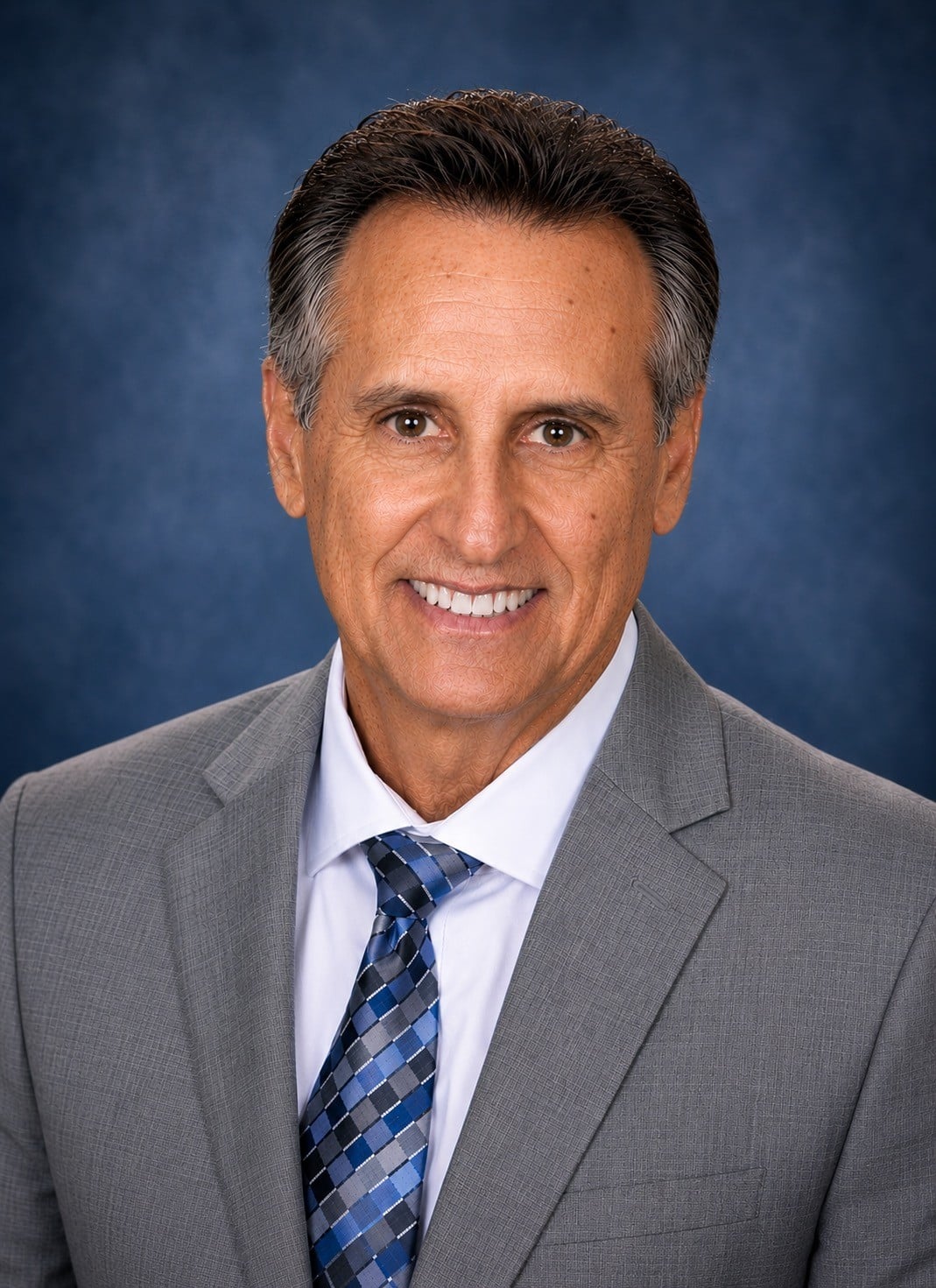
Alan P. Fox

Chair, Alternative Energy and Co-Chair, Real Estate & Land Use Practice


Mr. Fox focuses his practice on alternative energy (including wind and solar), banking, bankruptcy, creditors’ rights, workouts, commercial and transportation litigation, commercial transactions, business/corporate law, commercial and residential real estate, zoning and land use law.

Mr. Fox has developed his practice in the areas of commercial litigation, commercial transactions, bankruptcy, business law, real estate, real estate tax appeals, renewable energy law, zoning and land use law. He represents both lenders and borrowers in commercial lending. He has over 30 years of experience presenting land use applications before zoning and planning boards, including 8 years as the solicitor for the Riverside Township Land Use Board. He has litigated zoning matters at the appellate level. He successfully won a railroad condemnation case for a Class 1 railroad before the NJ Supreme Court.

His commercial real estate practice covers shopping centers, restaurants, retail, office buildings, manufacturing, warehouses and residential developments, as well as net metering and community solar energy projects. He navigates his clients through the local, county and the state regulatory permits and approvals process.

Currently, his alternative energy practice has expanded into transactions related to and obtaining zoning approvals for photovoltaic solar electric production systems in New Jersey, as well as transactional documents for solar projects including options and purchase agreements, easements, PPAs and related documents. His alternative energy practice is expanding into more growth opportunities including electric vehicle charging stations, development of the Offshore Wind industry and battery storage for alternative energy projects.

Mr. Fox’s commercial litigation experience covers a wide variety of industries, including banking, landscape, manufacturing,  construction, automotive retail, real estate development, wholesale floral and solar energy projects. He also assists creditors with collections under notes and loan agreements, security agreements, mortgage foreclosure, replevin or assignments of rents. His representation of creditors in the bankruptcy court includes negotiating cash collateral agreements, stay relief motions, defending preference actions, non-dischargeability issues, rejection/assumption of executor contract or lease issues.

Subscribe to Blog Updates

Capehart Blogs

Categories

Share